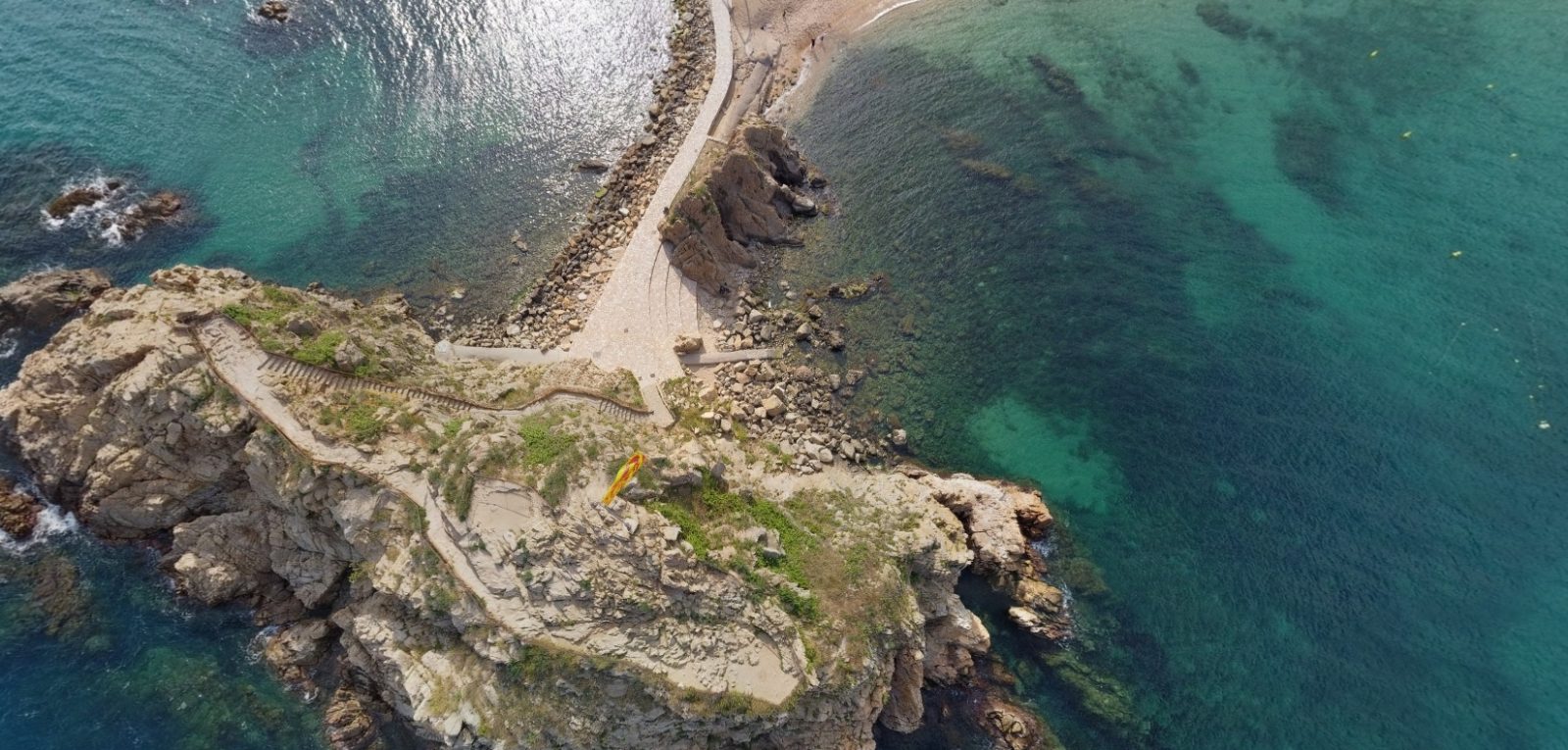
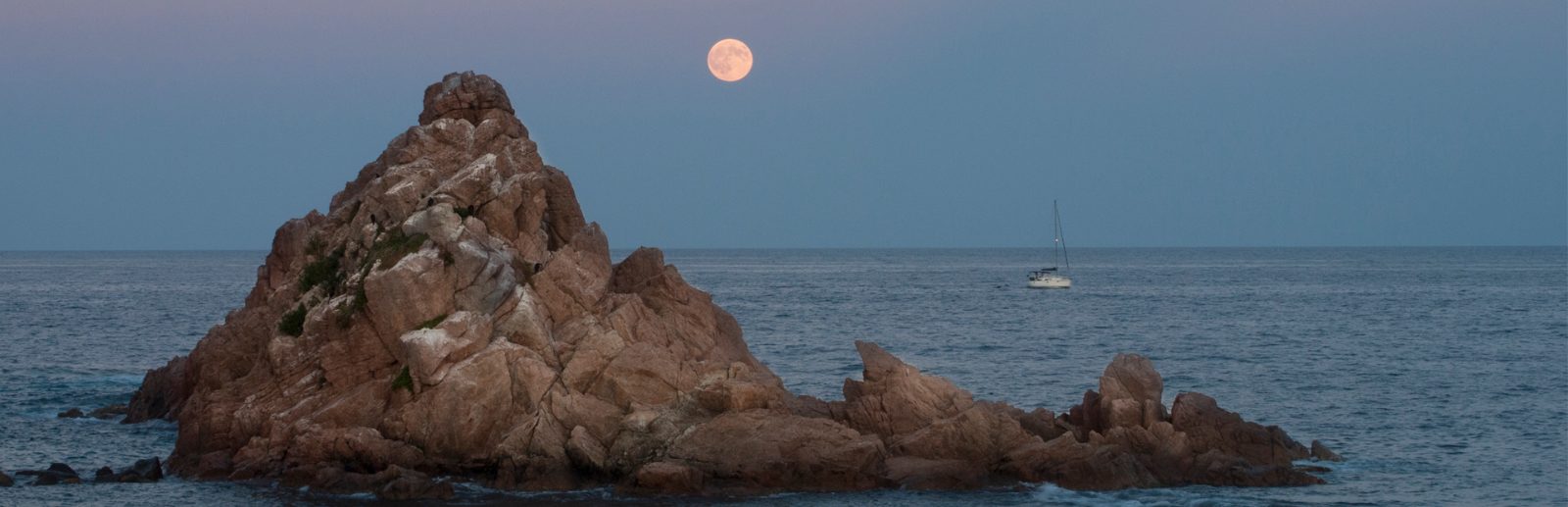
Sa Palomera
A large rock formation marking the geographical start of the Costa Brava and a symbolic gateway for kayakers.
Paddle around the rock base to view the town from the sea.
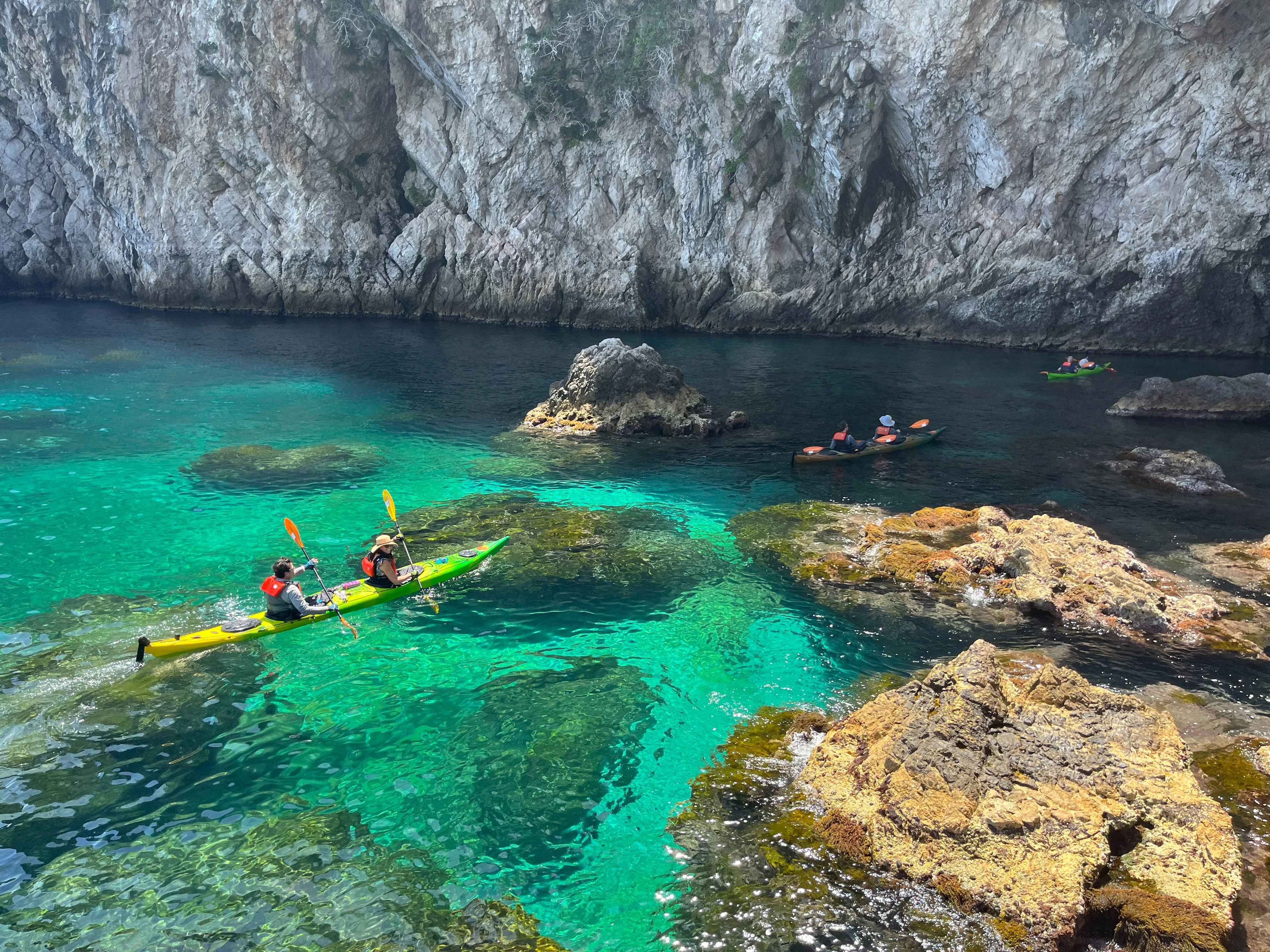
Blanes sits where the Costa Brava begins, offering a stretch of coastline defined by rocky headlands, transparent water and coves accessible only by sea. This guide maps the kayak routes that connect them, from short shelter-to-shelter paddles to longer shoreline circuits.
Quick answer
The main rutas kayak Blanes follow the rocky coast north from the port toward Cala de Sant Francesc, Sa Forcanera and the lighthouse cliffs, covering two to six kilometers depending on conditions and experience. Most routes depart from Esplanada del Port between 09:00 and 11:00 when morning calm offers the flattest water. Rentals and guided excursions operate daily from 09:00 to 19:00, with equipment available on-site.
Blanes marks the southern anchor of the Costa Brava, where the coastal geology shifts abruptly from wide sandy beaches to the fractured schist and granite shoreline that defines Catalonia's northern coast. The transition creates a paddling environment that mixes accessibility with the sheltered coves and sea caves typical of the Mediterranean's rockier stretches. The standard rutas kayak blanes depart from the municipal port and trace the northern shoreline beneath the botanical gardens and the hillside chapel of Sant Joan. The first landmark is Cala de Sant Francesc, a narrow gravel inlet framed by pine, reachable in twenty minutes of easy paddling. Beyond it the coast steepens into vertical rock faces streaked with iron oxide, punctuated by Sa Forcanera—a split cove with a natural arch—and a series of unnamed pockets visible only from the water. The turnaround point for most half-day routes is the lighthouse at Punta de Santa Anna, roughly three kilometers from launch, where the exposure increases and return conditions depend on afternoon wind patterns. Paddlers with more endurance can continue north past the lighthouse toward Lloret de Mar, though this commits to a longer return against prevailing southwesterlies that build after midday. The alternative is a shorter southern route toward S'Abanell beach, which sacrifices dramatic geology for calmer water and easier re-entry points. Launch logistics are straightforward: the port esplanade offers direct water access, and the rental station operates from 09:00 to 19:00 throughout the season. Mornings deliver the most reliable flat conditions, while afternoons introduce chop that challenges less experienced paddlers. Water clarity peaks in late spring and early autumn when coastal runoff subsides and plankton blooms clear. The Costa Brava's appeal from a kayak comes less from individual postcard coves than from the serial discovery of small protected spaces invisible from the coastal path. Blanes compresses that experience into manageable distances, making it feasible to cover the core northern route and return within three hours while still spending time inside the caves and beneath the overhangs that define the shoreline's rhythm.
“The transition from sandy beach to fractured rock happens abruptly at Blanes, compressing the Costa Brava's signature geology into manageable paddling distances.”
The best arrival window for kayaking in Blanes is 09:00–11:00. This period consistently provides the calmest sea conditions, which are essential for stable paddling along the coast.
Water 22°C–25°C, high sun
Warm water temperatures are ideal for longer routes and swimming stops.
Water 20°C–23°C, mild winds
The sea remains warm while maritime traffic and coastal crowds decrease significantly.
Water 17°C–20°C, cooler mornings
Clear waters and quiet coastal paths offer optimal conditions for experienced paddlers.
—
Paddling on weekdays provides the most serene experience and easiest navigation near the coves.
Verdict: The best time to visit is during the weekday morning window from 09:00–11:00 in either June or September.
Rutas Kayak Blanes operates daily throughout the week. The facility is open from 09:00 to 19:00 to accommodate visitors.
The coastline of Blanes offers a variety of geological formations and secluded coves that are best explored from the water. Paddling north from the port allows access to areas inaccessible by foot, providing a unique perspective of the Costa Brava's rugged landscape.
A large rock formation marking the geographical start of the Costa Brava and a symbolic gateway for kayakers.
Paddle around the rock base to view the town from the sea.
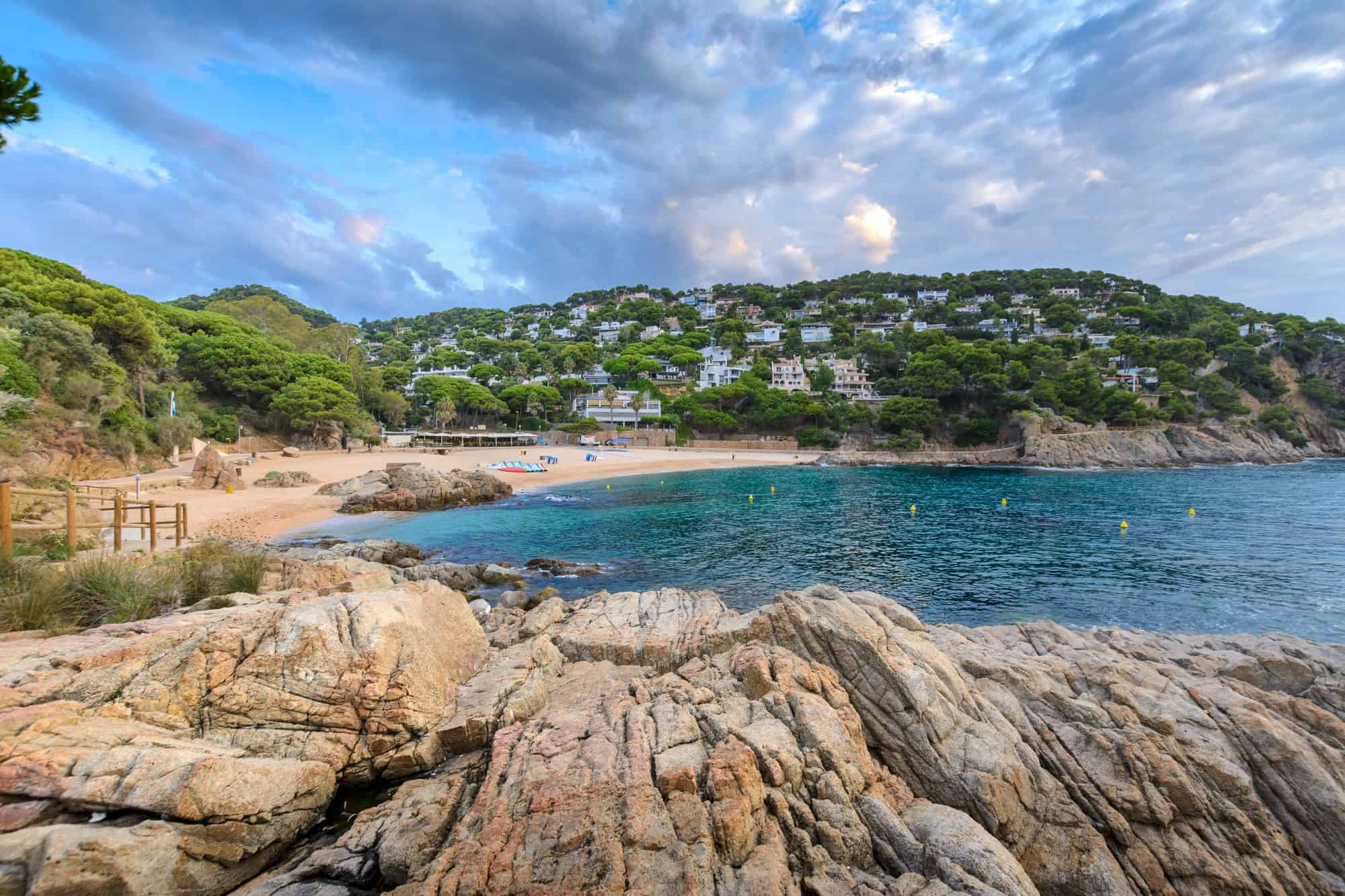
A sheltered cove characterized by clear waters and surrounding pine forests, often referred to as Cala Bona.
Observe the rocky seabed and marine life near the shoreline.
A prominent headland featuring clear waters and diverse rock formations beneath the surface.
Stay close to the cliffs to spot local fish species.
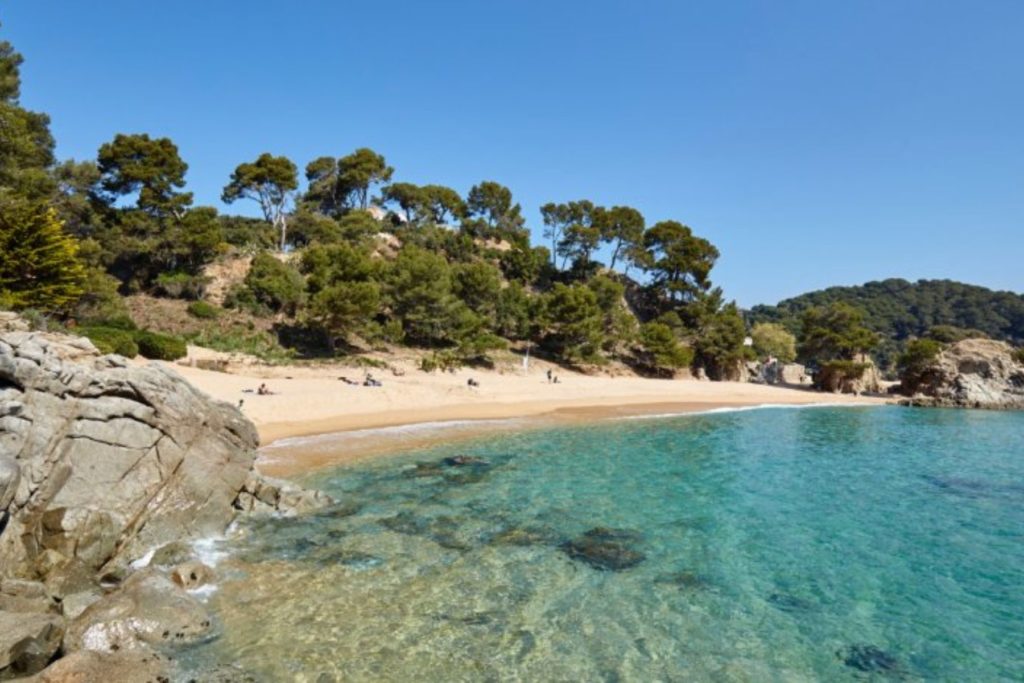
A quiet, scenic cove situated near the botanical gardens, offering a peaceful stop during longer routes.
Land briefly on the sand to rest before continuing the route.
This half-day route suits beginners and intermediate paddlers looking to explore Blanes' coastline in a single morning session. Allow 3–4 hours from launch to return.
Collect your kayak and launch from the port beach. Brief safety check and heading south takes 10 minutes.
A sheltered 15-minute paddle along the coast brings you to this small, rocky cove. Spend 20 minutes exploring the clear water and snorkeling if conditions allow.
Another 10 minutes south, this wider cove offers calm conditions and a short rest stop. Good for a quick swim and photos before the return leg.
Paddle back north, passing the striking rock formations at Sa Forcanera. The return leg takes roughly 25 minutes with typical sea conditions.
Land at Esplanada del Port, rinse equipment, and return gear. The entire loop covers approximately 4–5 km of coastline.
Access to the coastal areas for kayaking in Blanes is free of charge. Costs are only incurred when renting equipment or booking guided tours.
Verdict: A typical visitor pays 0 EUR for access, with total costs depending solely on the specific equipment or guided services selected from the operator.
The launch point for kayaking routes is located at Esplanada del Port, 17300 Blanes, Girona, Spain. Access is straightforward for those arriving by public transport or private vehicle.
Rodalies R1 line to Blanes station, then local bus L1 to the Port
GI-600 or GI-682 roads to Blanes Port area
Follow the promenade from Blanes city center toward the harbor
The best arrival window is 09:00–11:00, as mornings typically offer the calmest sea conditions for kayaking. Parking is available near the Esplanada del Port, but consider arriving early during peak summer months.
Prepare your gear and safety essentials for paddling Blanes' coastal routes.
Everything you need to know about rutas kayak blanes
Beginners often prefer the calm waters near the port, which serve as a perfect starting point for various rutas kayak blanes. These routes allow you to explore the coastline at a relaxed pace while staying close to protected coves.
No prior experience is necessary for most guided coastal paddling trips in the area. Instructors provide a brief orientation on basic strokes and safety before you begin your rutas kayak blanes adventure.
The best arrival window is between 09:00–11:00, as mornings typically offer the calmest sea conditions for paddling. Visiting during these hours ensures a safer and more pleasant experience on the water.
There is 0 EUR entrance fee to access the coastline, as the sea is public domain. However, rental prices apply for equipment and guided tours when choosing your rutas kayak blanes.
Yes, children can join many excursions provided they are accompanied by an adult and can swim. It is recommended to check the specific safety requirements and age guidelines with the rental provider before your trip.
Most providers include a life vest, paddle, and the kayak itself in their rental packages. You should bring sun protection, water, and appropriate footwear for your time on the water.
While walk-ins are sometimes possible, booking in advance is recommended to ensure equipment availability, especially during the peak summer season. You can check the official site to plan your visit and see available options.